
Breast infection, clinically known as mastitis, is a condition characterized by the inflammation of breast tissue. While it is most frequently observed in breastfeeding mothers, often occurring within the first few weeks of lactation, it can also affect women who are not lactating. Recognizing the symptoms promptly is essential to managing the condition effectively and preventing further complications.
Understanding the Symptoms of Mastitis
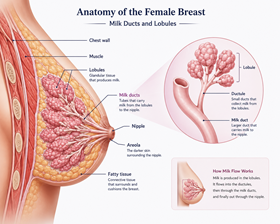
The symptoms of a breast infection often progress rapidly. Patients may notice localized changes in the breast alongside systemic, flu-like symptoms. Identifying these signs early allows for a more straightforward treatment process.
- Localized Redness and Warmth: The affected area often becomes red, swollen, and feels significantly warmer than the surrounding skin.
- Pain and Tenderness: There is typically a persistent ache or a sharp, burning sensation in the breast, which may intensify during physical activity or breastfeeding.
- A Palpable Lump: In some cases, a wedge-shaped area of hardness or a specific lump may be felt within the breast tissue.
- Systemic Fever and Chills: Many women experience a fever of 38.3°C (101°F) or higher, accompanied by body aches and general malaise.
If these symptoms do not improve with conservative measures such as warm compresses and rest, it is advisable to seek a medical evaluation to determine if a bacterial infection is present.
Clinical Treatment and Management
The primary goal of treating mastitis is to reduce inflammation and clear any underlying infection. Depending on the severity of the symptoms, several clinical approaches may be recommended:
- Antibiotic Therapy: If a bacterial infection is suspected, a physician will typically prescribe a course of oral antibiotics. It is clinically necessary to complete the full duration of the prescription to ensure the infection is fully eradicated.
- Pain Management: Non-steroidal anti-inflammatory drugs (NSAIDs) may be suggested to manage pain and reduce localized swelling.
- Continued Milk Drainage: For breastfeeding patients, continuing to nurse or express milk is a critical part of treatment. This prevents milk stasis, which can exacerbate the inflammation.
- Surgical Intervention: In rare instances where an abscess (a collection of pus) forms, a minor surgical drainage procedure may be required.

Professional Support for Breast Health
At our practice, Dr. Melanie Seah focuses on providing a thorough and empathetic environment for women navigating breast health concerns. We understand that symptoms like pain or lumps can cause significant anxiety. Dr. Seah’s clinical approach is centered on listening to each patient’s unique concerns and providing evidence-based guidance through every stage of the diagnostic and treatment process, from scrutinizing mammograms to the many life chats that naturally occur during care.
Our team integrates various facets of care to support recovery. For patients requiring specialized attention, we work in coordination with qualified physiotherapists who provide exercises and care tailored to breast health. From the initial consultation with Dr. Melanie Seah to detailed reviews of ultrasound or mammogram images, our goal is to offer a comprehensive clinical journey that prioritizes patient well-being and clear communication.
If you have concerns regarding breast pain or suspected mastitis, we are here to assist with professional evaluations and personalized care plans. To speak with our team or to schedule a consultation with Dr. Melanie Seah, please contact our team. Our clinic is dedicated to supporting women from all walks of life with clinical excellence and understanding.


