
Understanding the differences between a mammogram and a breast ultrasound is essential for proactive breast health. While both are diagnostic tools used to detect abnormalities, they utilize different technologies and serve distinct clinical purposes.
Mammogram: The Primary Screening Tool
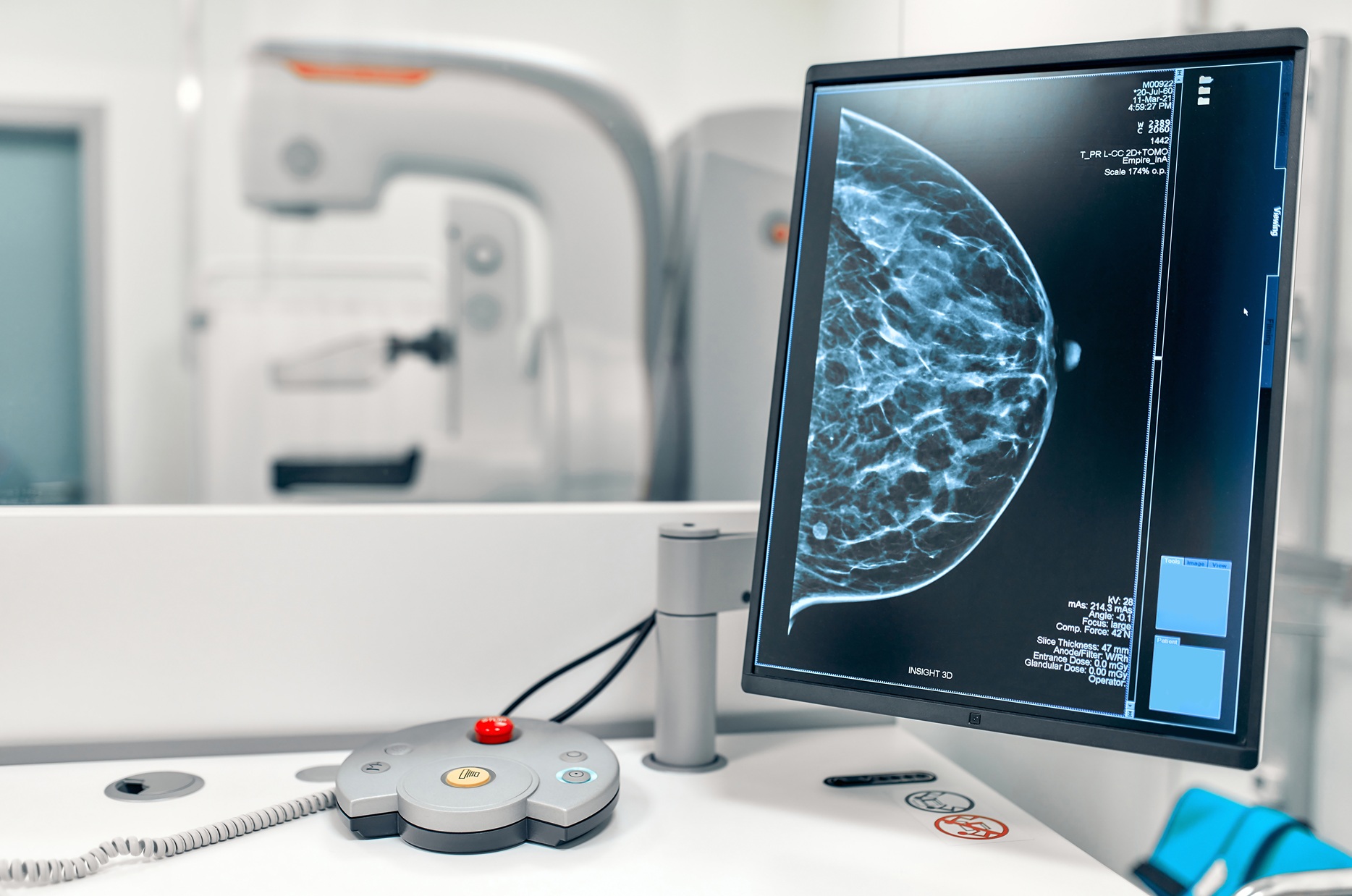
A mammogram is a specialized medical imaging process that uses low-dose X-rays to create detailed images of the breast tissue. It is the primary tool used for population-wide screening because it can detect microcalcifications, tiny calcium deposits that are often the earliest sign of breast cancer, long before a lump can be felt.
Clinical Indications for a Mammogram:
- Routine screening for women aged 40 and above.
- Investigation of new lumps, skin changes, or nipple discharge.
- Follow-up imaging for patients with a personal history of breast cancer.
Breast Ultrasound: Precision via Soundwaves
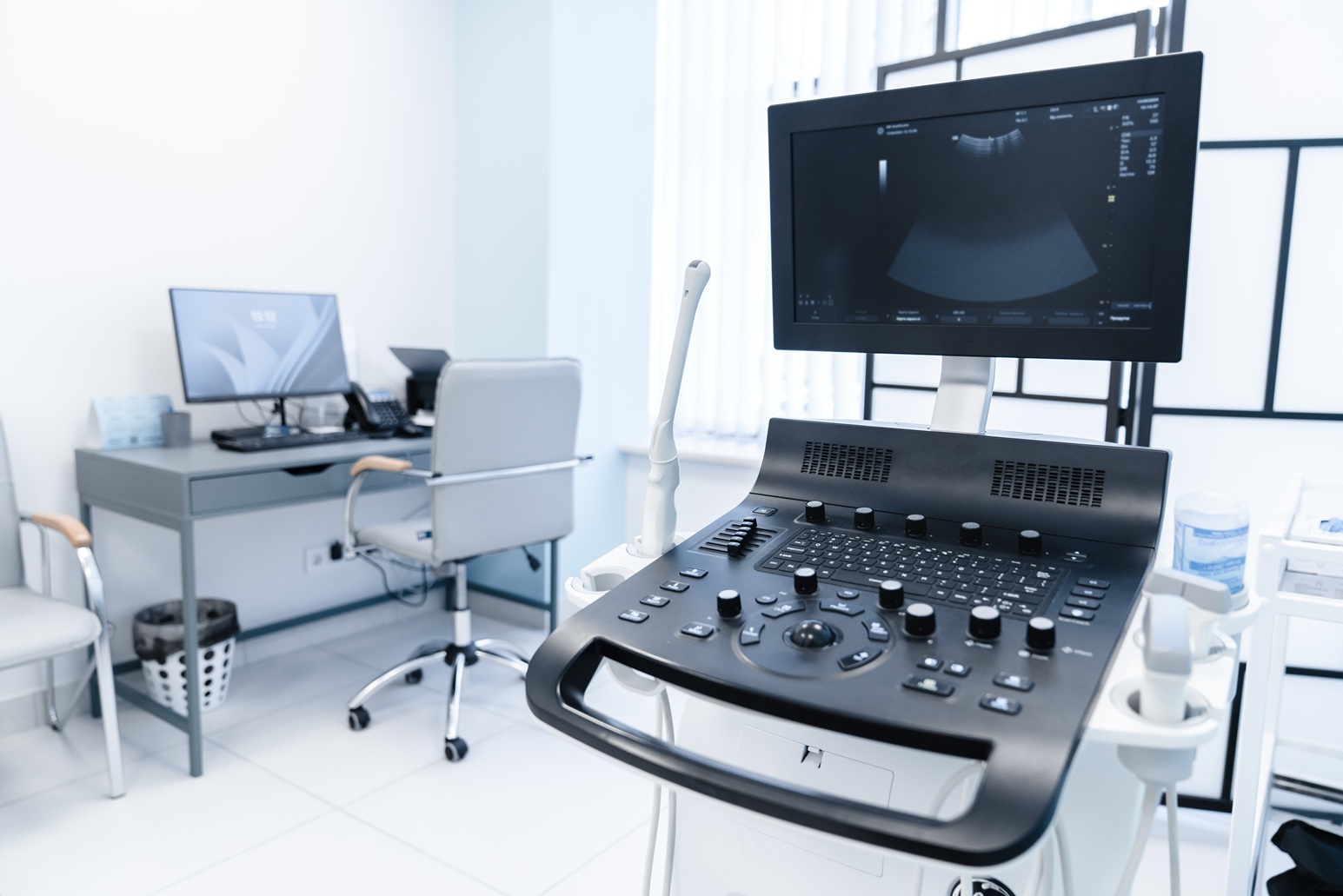
In contrast to X-rays, a breast ultrasound uses high-frequency soundwaves to produce real-time images of the internal structures of the breast. It is a non-invasive procedure often used as a supplemental tool. It is effective at distinguishing between solid masses and fluid-filled cysts.
Clinical Indications for a Breast Ultrasound:
- Evaluating a specific area of concern identified on a mammogram.
- Supplemental screening for women with dense breast tissue.
- Guiding a needle during a biopsy for precise tissue sampling.
- Assessing breast changes in younger women.
Which One is Right for You?
The choice between these scans is not always “either-or.” In many clinical settings, they are used together to provide a comprehensive view of breast health. A mammogram provides the “big picture” of the breast architecture, while an ultrasound offers a focused, detailed look at specific spots.
Our practice focuses on a multidisciplinary approach to breast care. Our team, led by Dr. Melanie Seah and Dr. Timothy Shim, offers expertise in breast surgery and reconstructive microsurgery. We work alongside qualified physiotherapists to support patient care from diagnosis through post-surgical recovery. We prioritize a professional experience, providing expert guidance on the most appropriate imaging for your specific needs.
For more information on breast health and screening, contact our clinic to speak with our healthcare professionals.


