
Regular screening plays an important role in proactive breast health. By identifying structural tissue changes or subtle abnormalities before physical symptoms appear, clinical evaluations can be initiated early, allowing for a wider range of appropriate management and treatment options.
At our practice, we focus on providing objective, clear information to help women understand their diagnostic options. Moving from a position of uncertainty to a structured, proactive monitoring plan is central to modern clinical breast care.
Why Routine Screening Is Key
Breast conditions often develop without obvious symptoms or physical changes that can be detected during routine self-examinations. This is where clinical screenings provide essential medical utility. They allow for the assessment of tissue beneath the surface, identifying abnormalities long before they become palpable.
Clinical evidence indicates that the success rate of breast interventions is highly correlated with how early a condition is identified. By the time an abnormality is physically noticeable, the condition may have advanced. Regular screenings act as an objective monitoring tool, ensuring that if an anomaly is present, it is identified at a manageable stage.
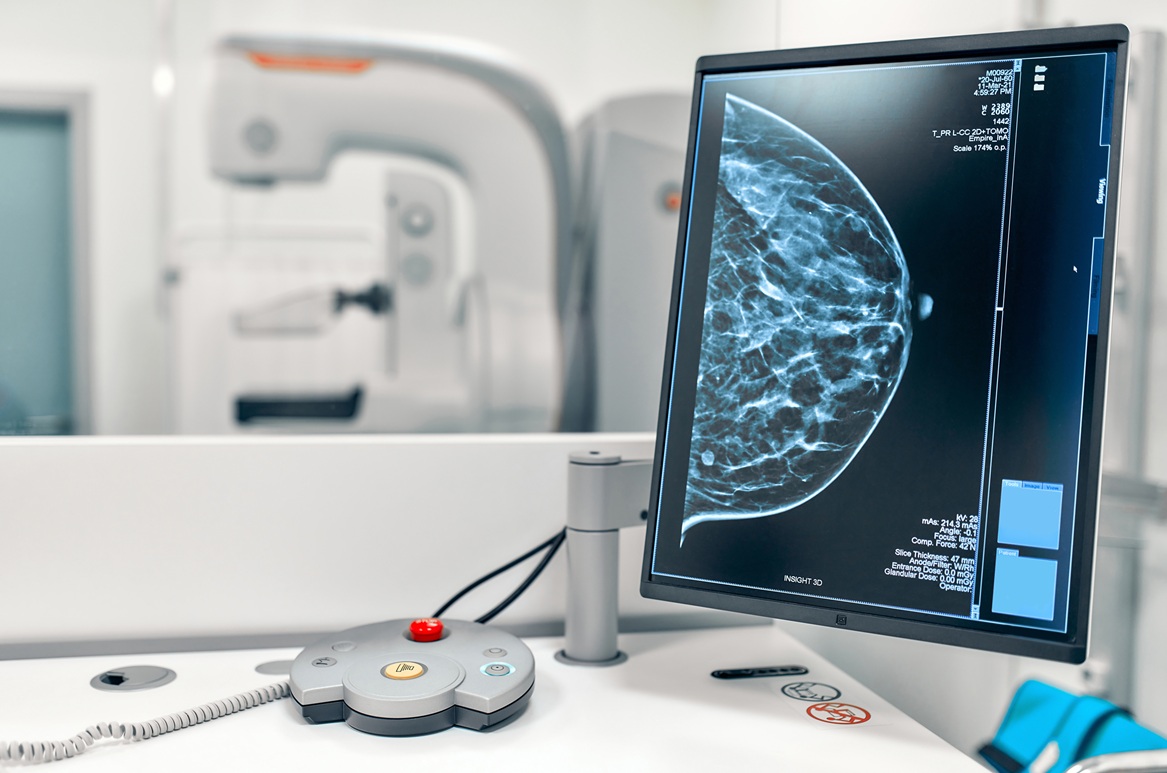
Understanding Available Screening Modalities
Every individual’s health profile is unique, and screening recommendations are tailored based on factors such as age, family history, and breast tissue density. The primary diagnostic modalities include:
- Mammography: A foundational imaging tool that utilizes low-dose X-rays to identify structural changes or microcalcifications within breast tissue.
- Breast Ultrasound: A complementary imaging modality often utilized for individuals with dense breast tissue to provide further cross-sectional clarity.
- Clinical Breast Examinations: A physical assessment conducted by a trained clinician to evaluate the breast tissue for subtle physical changes that may warrant further investigation.
Beyond the technology, consistent screening provides clarity. For many individuals, an imaging evaluation offers valuable documentation of stable, benign tissue. For others, it provides the necessary data to initiate an efficient, targeted management plan without delay.

Surgical Frameworks and Post-Operative Support
Early detection also influences the nature of surgical interventions. When structural issues are identified in their early stages, it allows for the consideration of oncoplastic surgical techniques. These procedures focus on removing the lesion while utilizing specialized tissue-rearrangement methods to preserve the natural form and symmetry of the breast.
Furthermore, comprehensive recovery involves structured supportive care following a procedure. Incorporating dedicated physiotherapy is an important component of post-operative management, aiding in tissue rehabilitation, restoring full range of motion, and helping to manage conditions such as lymphedema of the arm, which can occasionally occur following axillary lymph node surgery.
Clinical Guidance and Care
Navigating diagnostic options and breast health decisions requires accurate clinical insights. Our practice is dedicated to providing thorough, evidence-based care at every stage—from routine screening reviews to complex surgical planning and post-operative rehabilitation. We combine structured clinical experience in oncoplastic breast surgery with a supportive, patient-focused environment.
Whether you are seeking a routine tracking appointment or require an evaluation for a newly noticed breast change, prioritizing regular clinical assessments is an important step in proactive health management.
Clinical Consultations and Services
Our clinic provides comprehensive medical services for the assessment and management of breast conditions. Dr. Melanie Seah offers clinical evaluations, diagnostic scheduling, oncoplastic surgery, and coordinated post-operative support, including specialized physiotherapy for lymphedema management.
For inquiries regarding screening options or to schedule a clinical evaluation, you may contact us for consultation.


